SHOP
FIRST AID KITS
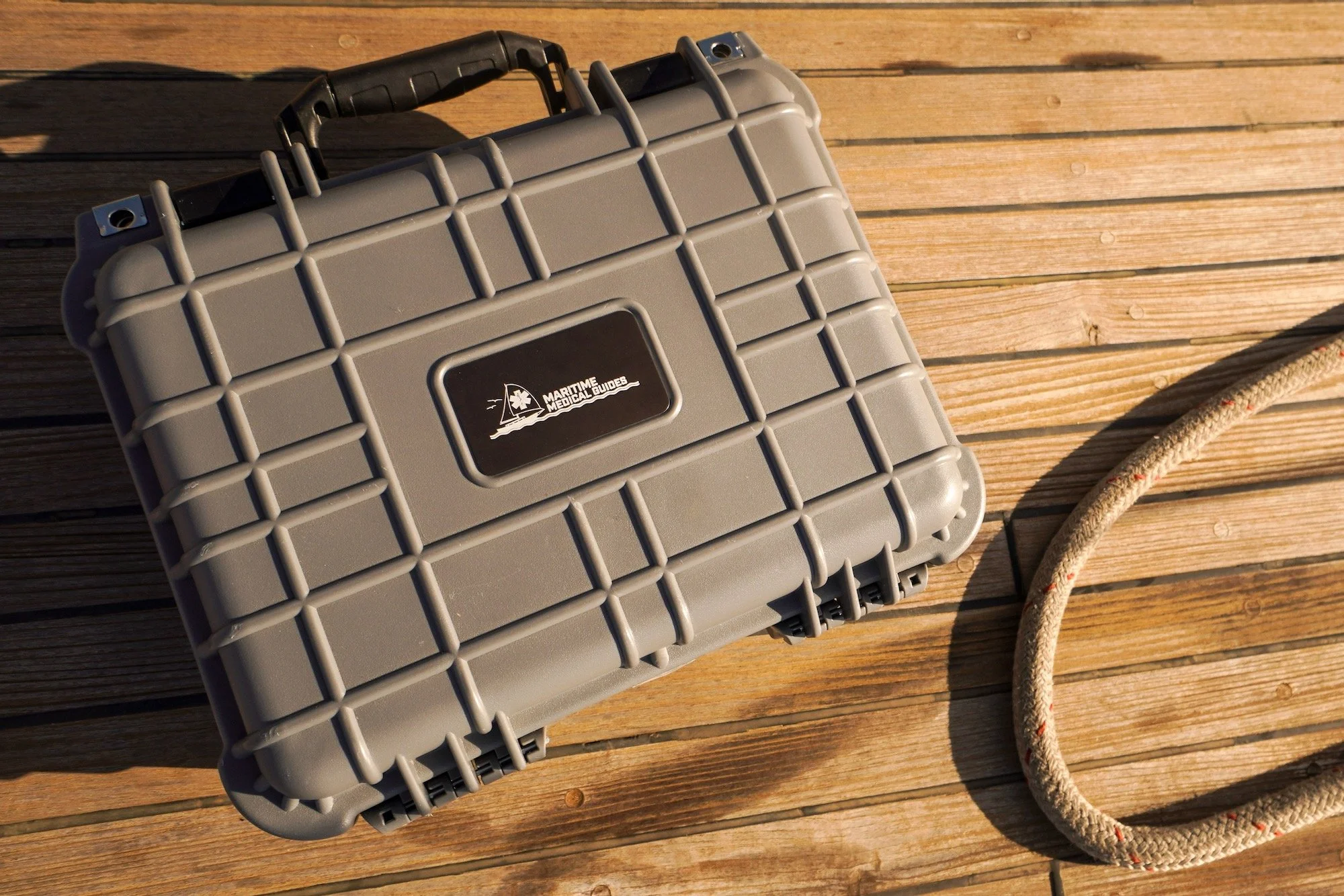
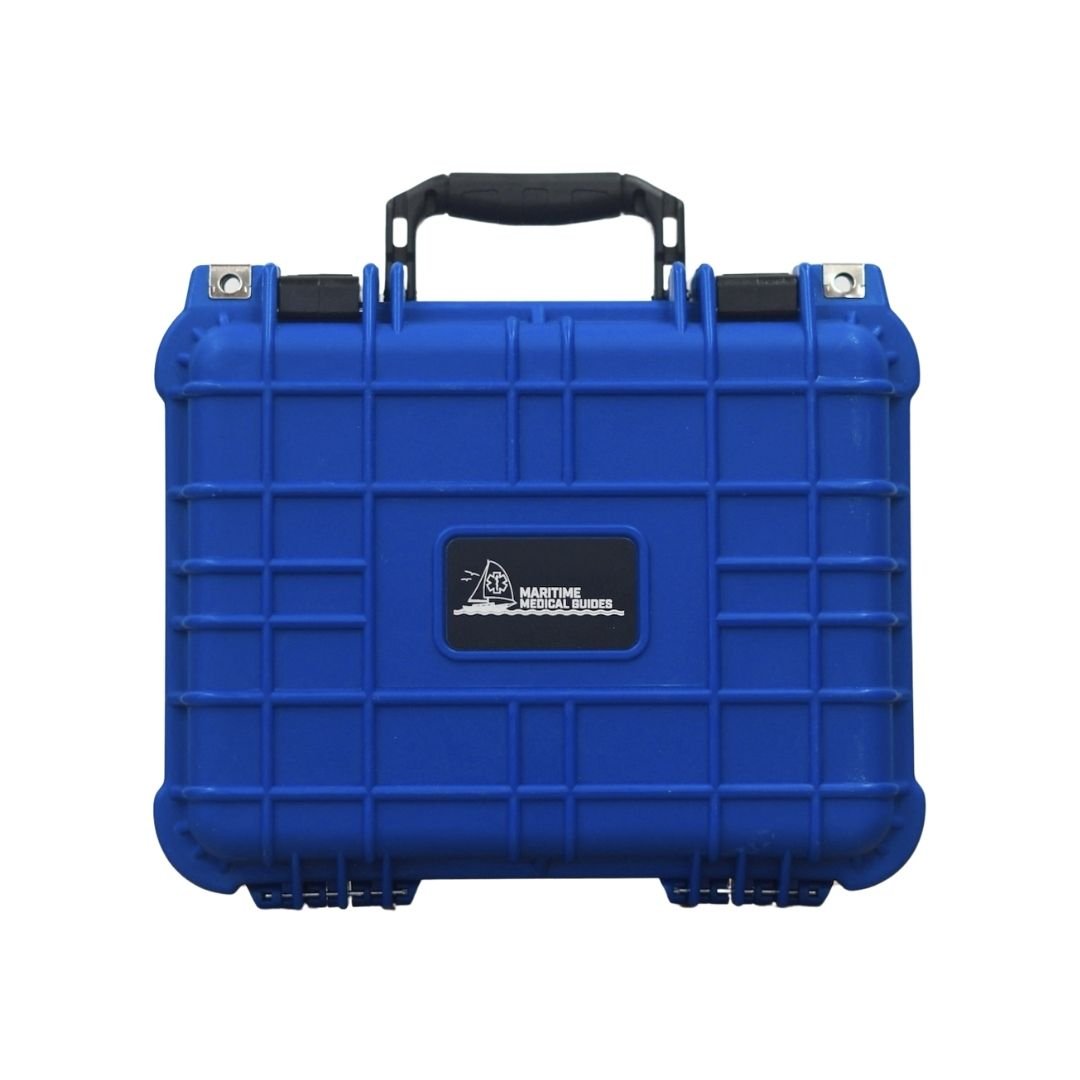
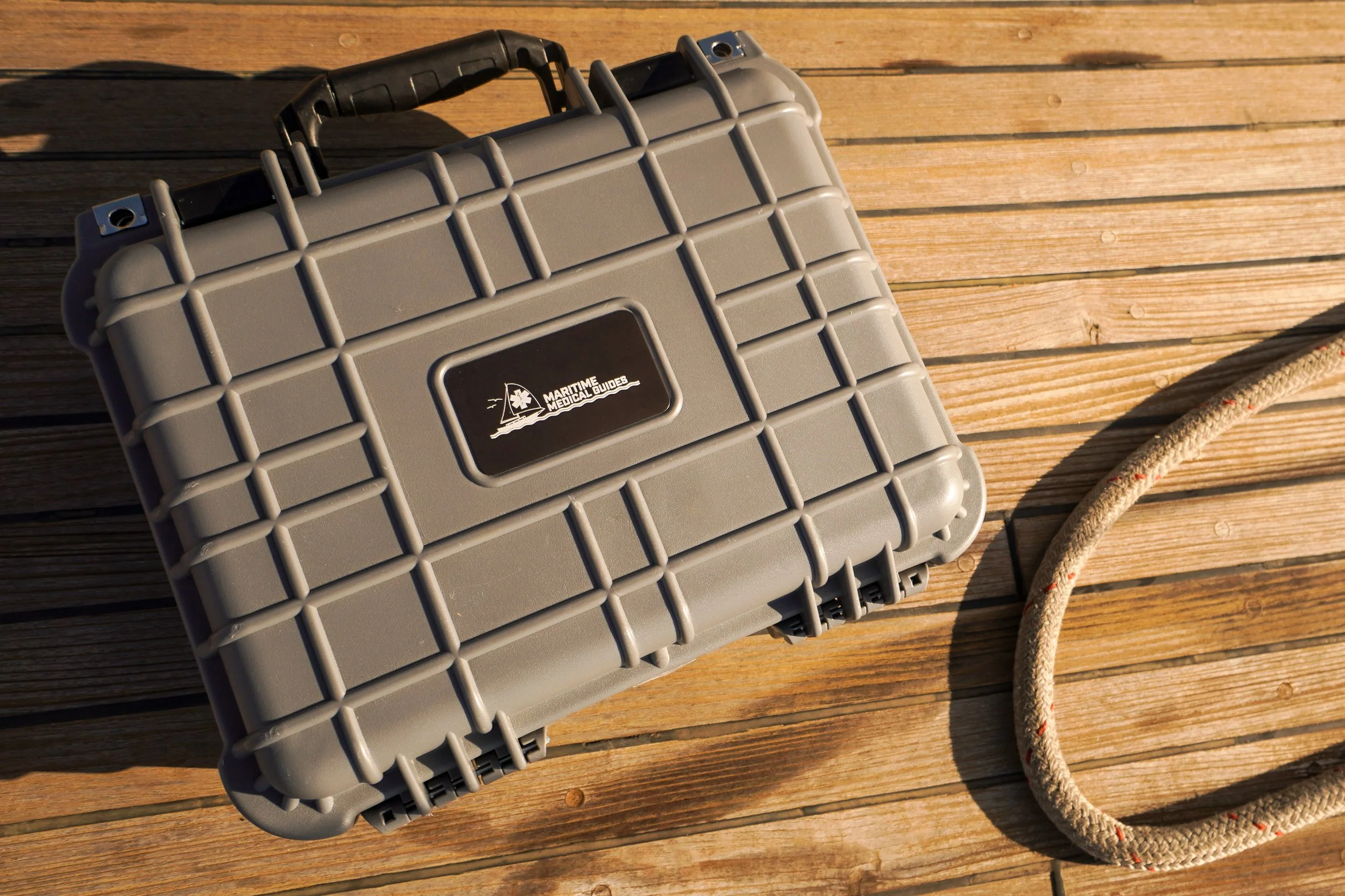
Comprehensive marine kit for 1–6 crew up to two days from definitive care. Hardshell waterproof case, full medication panel, complete wound and trauma coverage.
The MMG Coastal Cruiser Kit is built for cruisers who are 12–24 hours from definitive care — Pacific Northwest island-hopping, San Juan and Gulf circuits, southbound coastal runs, weekend trips with crew. You're not offshore, but you're past the radius where you can bank on a fast EMS hand-off.
It's organized around the five MMG kit sections — Tools & PPE, Life Threats, Wound Management, Musculoskeletal, Environmental — plus Eye Care and a full OTC medication panel. Life-threat coverage includes the CoTCCC-recommended CAT tourniquet, QuikClot hemostatic gauze, a vented chest seal twin pack for penetrating chest trauma, and a CPR face shield. Wound management spans contamination control (decon sponge, povidone-iodine), modern dressings (hydrocolloid for blisters and minor burns, transparent for clean wounds, gauze for bleeding), and closures (Steri-Strips, tincture of benzoin, liquid skin). Musculoskeletal includes a SAM splint, triangular bandages, ACE wraps, and Coban.
The medication panel is OTC-only and built around what you actually need in coastal cruising: pain and fever (acetaminophen, ibuprofen), cardiac chest-pain protocol (aspirin), allergic reaction (diphenhydramine), motion sickness (Dramamine, Sea-Band), GI (Pepto-Bismol, Pepcid, loperamide), and topical skin (hydrocortisone, after-bite). Glucose gel handles hypoglycemia.
Where the Coastal Cruiser stops short is diagnostics and advanced airway. If you're planning a voyage 24+ hours from care, look at the Offshore Kit. If you want to add prescription medications (e.g., scopolamine, antibiotics for a cellulitis-on-day-3 scenario), Tether Medical is built to integrate at checkout.
Bluewater medical kit for crews 24+ hours from definitive care. Diagnostics, advanced airway, expanded wound and medication coverage. Tether Medical integration ready.
The MMG Offshore Kit is the kit you carry when help is more than a day away — bluewater passages, transpacific crossings, Hawaii runs, Caribbean transits, expedition cruising. Your operating model isn't 'stabilize until EMS arrives' — it's 'manage this patient onboard for 24 to 96+ hours, with telehealth as your scope of practice.'
That changes what goes in the kit. We add diagnostics so you can actually trend vitals: digital thermometer, blood pressure cuff, stethoscope, pulse oximeter, and glucometer. We add advanced airway: pocket masks, OPA and NPA sets, and a manual suction unit for an unconscious patient who can't protect their own airway. We expand life-threat coverage to two CAT tourniquets, two QuikClot hemostatic packages, and two vented chest seal twin packs. Wound management gets a skin stapler with remover for scalp and limb closures that won't hold with Steri-Strips, plus burn-specific coverage with twelve burn cream packets and dedicated burn dressings.
The medication panel is the OTC complement you need for a multi-week voyage: pain, fever, allergic reaction, motion sickness (with Sea-Band as a non-pharmacologic backup), full GI suite, anti-fungal for the head and feet, swimmer's ear drops, aloe for sunburn, and Afrin for nasal congestion.
Where Offshore is designed to integrate is Tether Medical. The kit is built to accept the Tether prescription panel — antibiotics, advanced anti-emetics, Rx-strength pain control, scopolamine — fulfilled after a physician consult and labeled to fit the divider system. The kit also qualifies for annual Tether certification: freshness audit, expiration replacement, and an onboard certificate that documents the kit's standard of care for charter and insurance use.
This is a serious kit for serious distances.
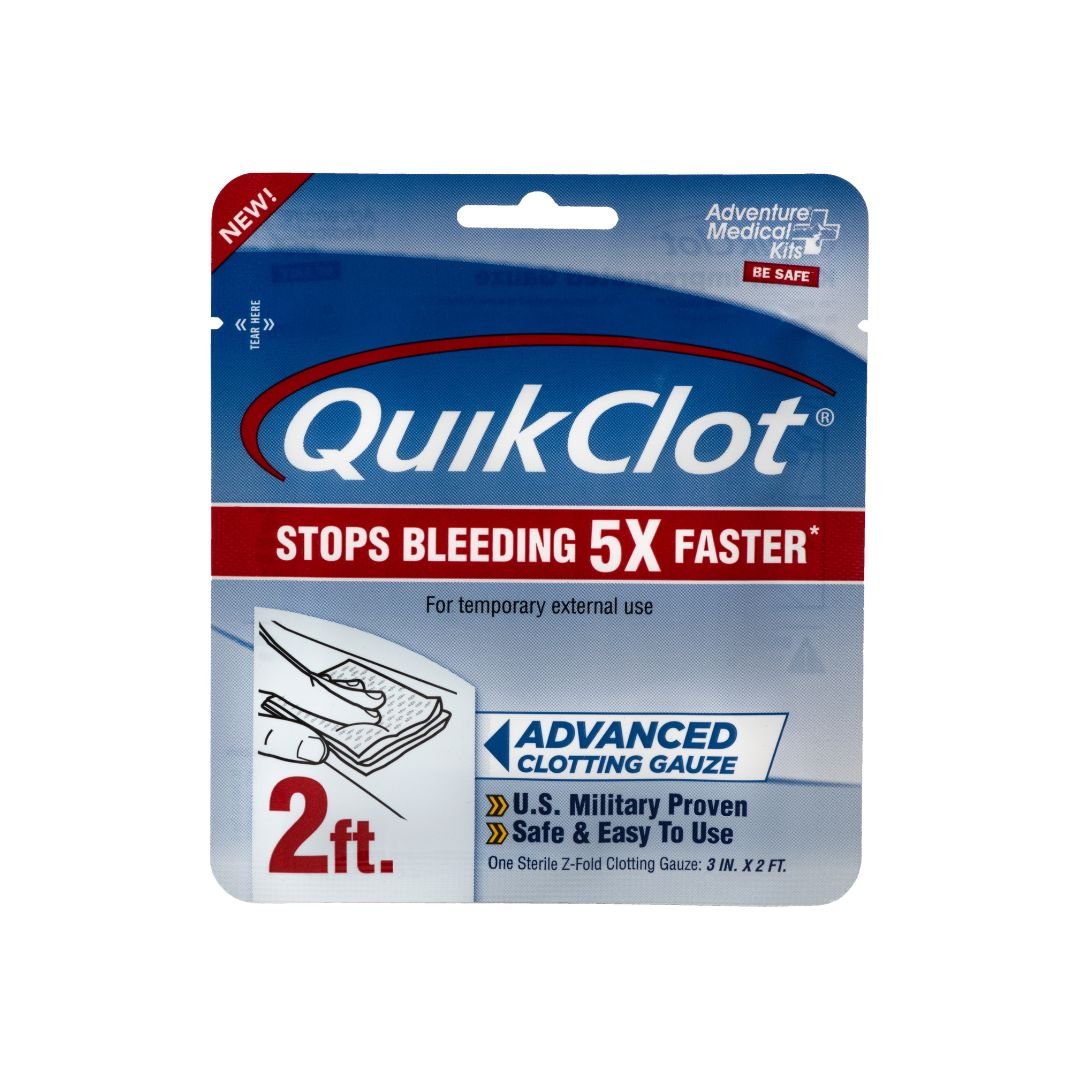
This hemostatic gauze works on contact to stop bleeding by accelerating your body's natural clotting process, clotting blood five times faster.
The Gen 7 Combat Application Tourniquet utilizes a durable windlass system with a patented free-moving internal band, providing true circumferential pressure to the extremity.
The C-Splint™ is a pliable thin core of aluminum alloy, sandwiched between two layers of closed-cell foam which becomes extremely strong and supportive for any fractured or injured limb.
The HyFin Vent Chest Seal Twin Pack is designed for the prevention, management and treatment of an open and/or tension pneumothorax potentially caused by a penetrating chest trauma.
The Dental Medic contains the essentials for treating dental pain and injury when a dentist isn't available.
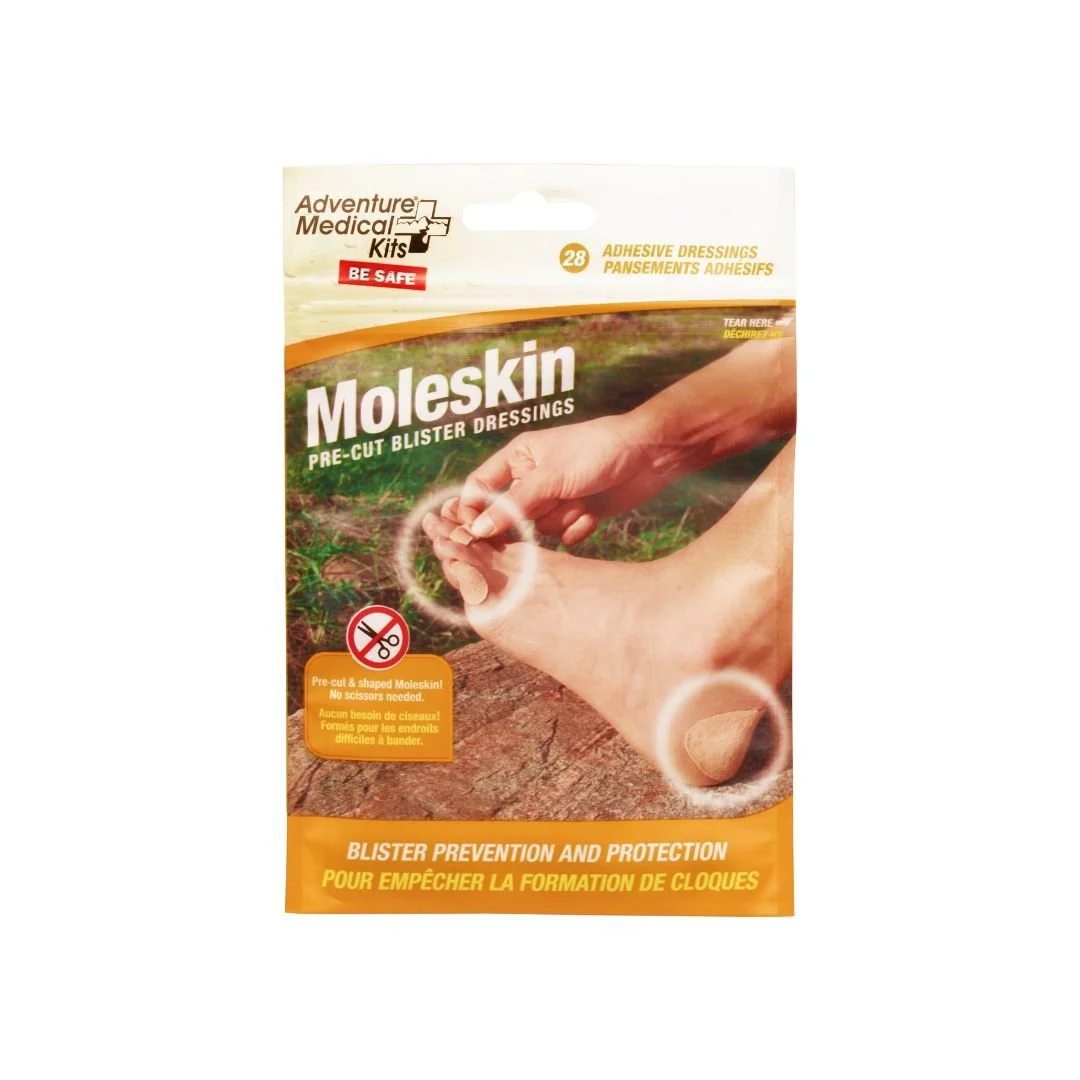
Moleskin is the most reliable dressing for blister prevention available. This pre-shaped and die-cut moleskin is easy to apply with no scissors necessary.
EQUIPMENT
APPAREL
Represent Maritime Medical Guides with this ultra-comfy, unisex-fit short sleeve shirt. This 60/40 cotton-poly blend features a blue logo on a heather grey shirt.
Compact marine first aid kit for dinghies and small craft. Built around catastrophic bleeding control, wound management, and exposure — the things that don't wait for shore.
The MMG Dinghy Kit is built for short-range crews — dinghies, day-sailers, small motorboats, and tenders. You're a quick ride from shore, but you still need to handle the things that don't wait: arterial bleeding, contaminated wounds, and the early hours of hypothermia.
We packed it around three principles. First, life threats first: a CoTCCC-recommended CAT tourniquet and QuikClot hemostatic gauze for catastrophic bleeding, plus a CPR face shield. Second, wound management for what actually happens on small boats — fishhooks, barnacle lacerations, friction -blistered hands — with irrigation, antiseptic, and antibiotic ointment. Third, exposure: a mylar emergency blanket, lip balm with SPF, and electrolyte mix for sun and salt loss.
What you won't find here is a medication panel or diagnostic equipment. That's deliberate. On a day-trip vessel, you carry your own pillbox. For multi-day or offshore work, the Coastal Cruiser or Offshore Kit is your mainframe — and the Dinghy Kit is the companion that goes with you. Stash it in the helm or lazarette, grab it when you're on and off the boat, take it in a tender or kayak. It handles life threats wherever the bigger kit can't follow. Every kit ships with a printed Patient Assessment Quick Guide and QR-coded dividers that link to product-specific usage videos.