 Image 1 of 1
Expedition San Juan Islands
When you’re far from shore, having the appropriate medical training and skills can make or break unexpected critical situations.
Our flagship adventure.
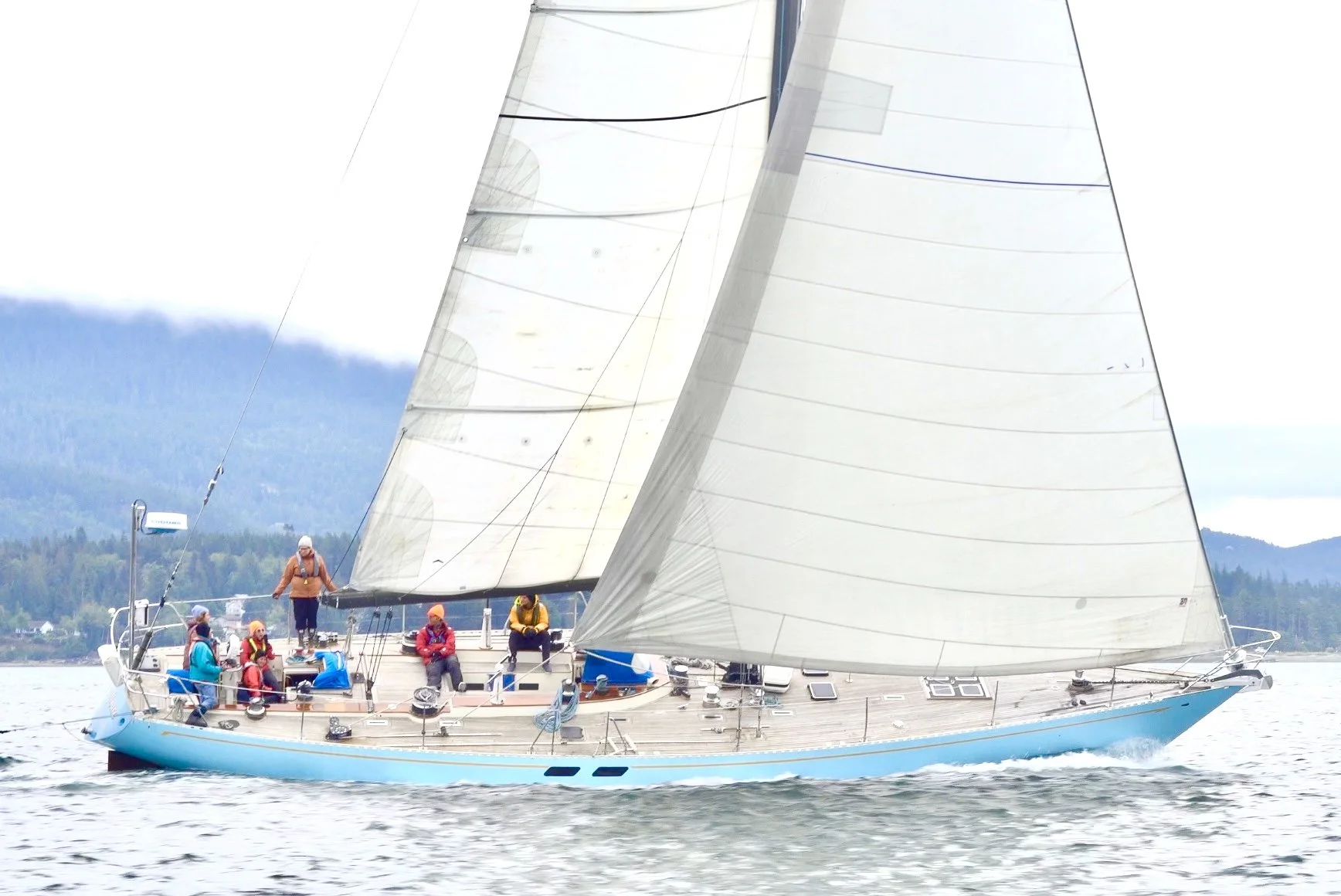
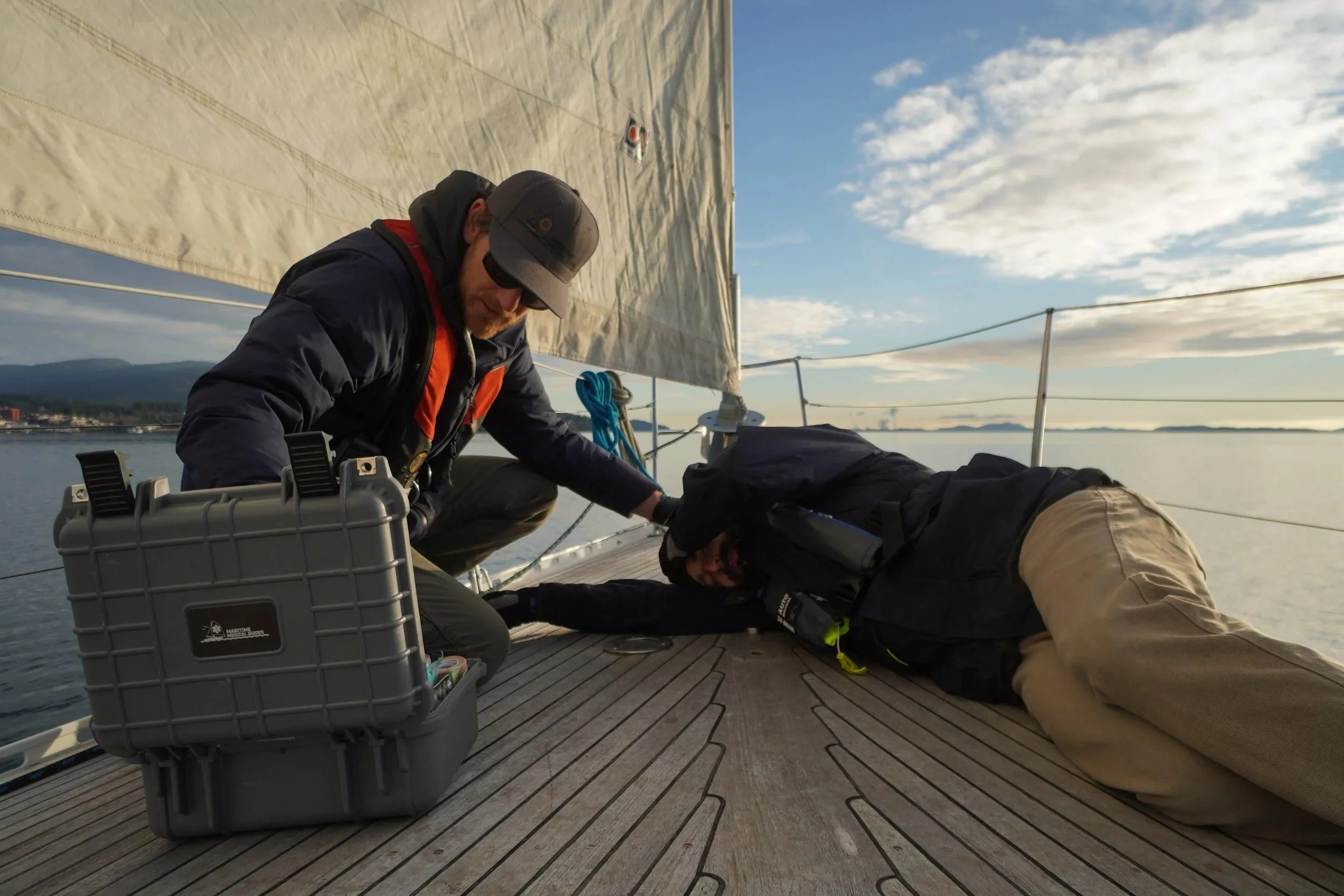
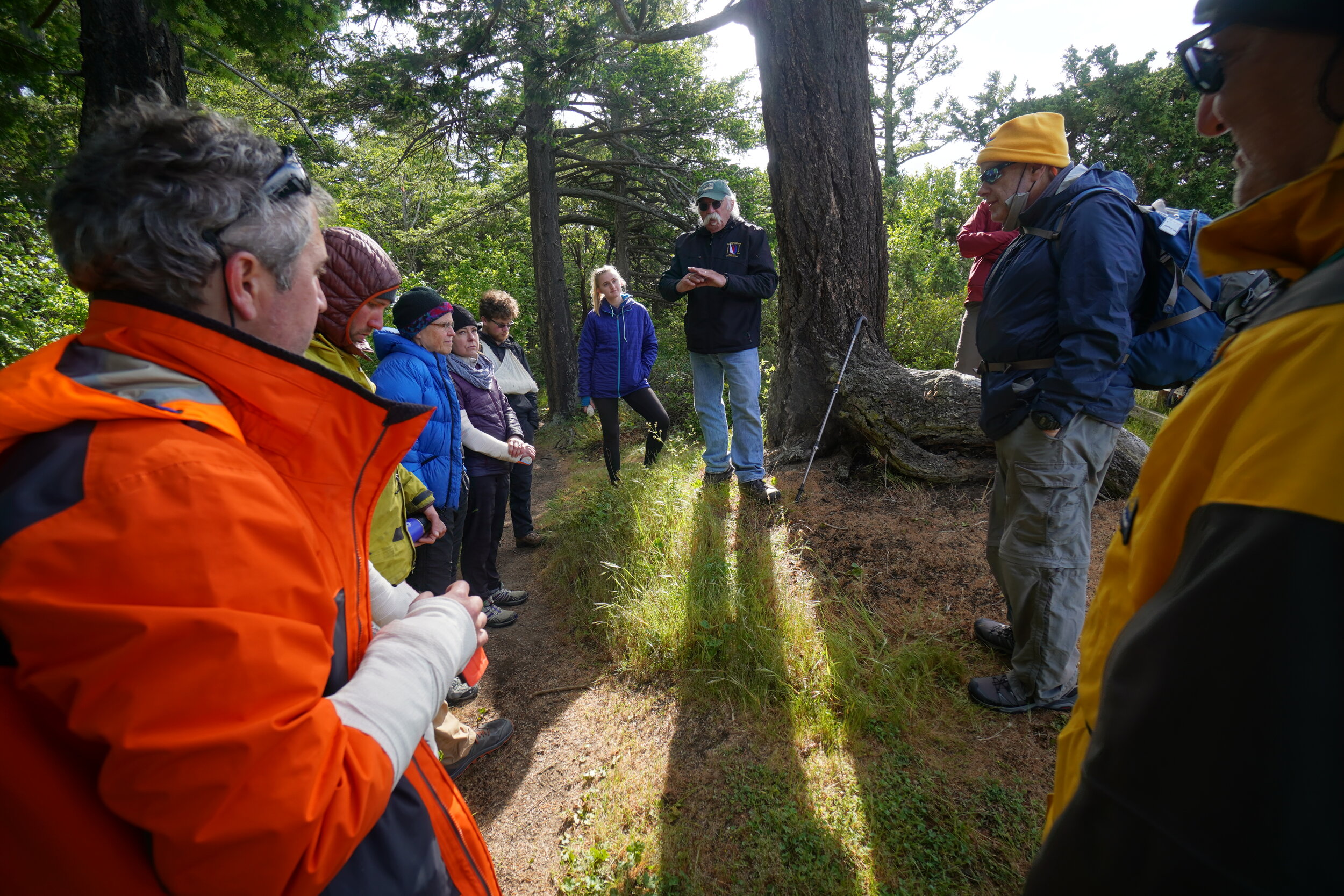
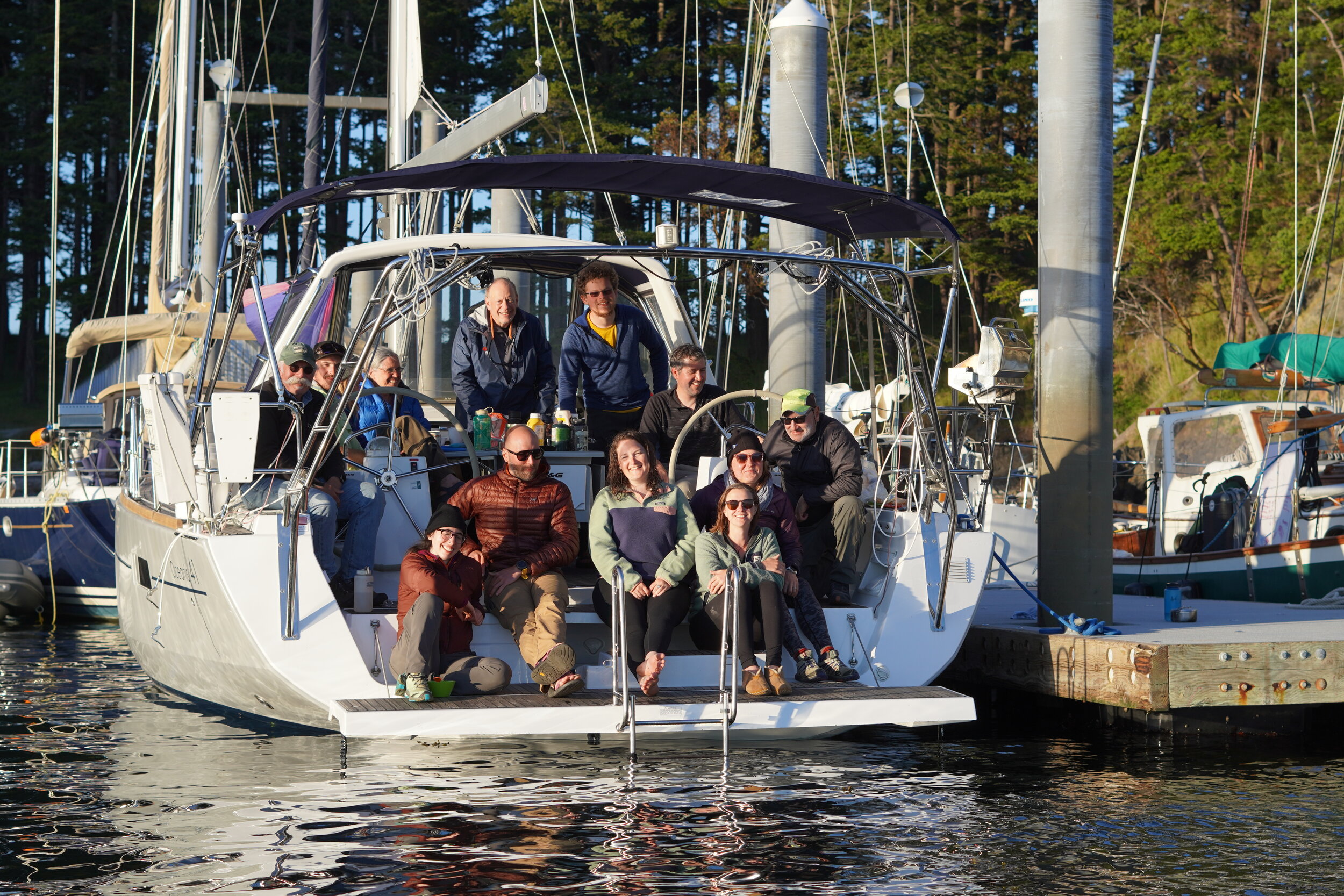
Participants sail and train throughout the San Juan archipelago aboard S/V Swiftsure, combining hands-on medical scenarios with navigation, anchoring, seamanship, island exploration, and expedition-style camping. With more than 100 named islands sandwiched between the Strait of Juan de Fuca and the Strait of Georgia, the San Juan Archipelago is the perfect setting for our Maritime Medical Responder Program. Learn wilderness first responder skills specific to the marine environment on a multi-day sailing and camping expedition.
This is expedition-based maritime medical training — where the voyage itself becomes part of the curriculum.
-
• Maritime Medical Responder, valid for 2 years (Wilderness First Responder is available upon request, valid for 2 years
• CPR/AED certifications, valid for 2 years
• CA/WA Epinephrine Auto Injector Certification, valid for 2 years
Our WFR curriculum satisfies the Wilderness Medical Society’s published recommendations for Wilderness First Responder training and is certified by our Medical Advisory Board.
Accreditations Include:
• World Sailing Offshore Special Regulation (OSR 6.05) Medical Training requirement
• US Sailing Senior First Aid Requirement
United States Coast Guard: Elementary First Aid training requirements of Section AVI/1 and Table A-VI/1-3 of the STCW Code and 46 CFR 11.202(b)(3); AND if presented within one year of the date of training, the First Aid and CPR training requirements of 46 CFR 11.205(e)(1)(ii) and 11.205(e)(2)(iii) for original issuance of an officer endorsement.
-
During this 80-hour program, our guides will train you how to prevent, manage, and treat a range of emergencies that you may encounter in maritime and remote environments. This course combines online self-paced precourse work with a highly immersive camping and sailing training experience. You will complete the online learning portion on your own time prior to the in-person skills training and assessment.
This combination of focused learning and practical experience provides you with the conceptual knowledge and hands-on skills to face a range of emergencies that you may experience while exploring the wilderness. Expect to work hard, get out in nature, make new connections with other like minded people, and practice a ton of skills.
After completing Expedition San Juan Islands, participants leave with:
Practical emergency medical skills for maritime environments
Improved confidence operating aboard sailing vessels
Better decision-making when help is not immediate
Experience functioning as part of an expedition crew
A deeper understanding of risk, prevention, and preparedness at sea
-
Day 1
We will meet at Squalicum Harbor at 8:00 a.m. for an 8:30 a.m. departure to one of the beautiful islands in the San Juans. Once we hit land we will unload, set up camp, and begin a lesson before having dinner.
Days 2-4
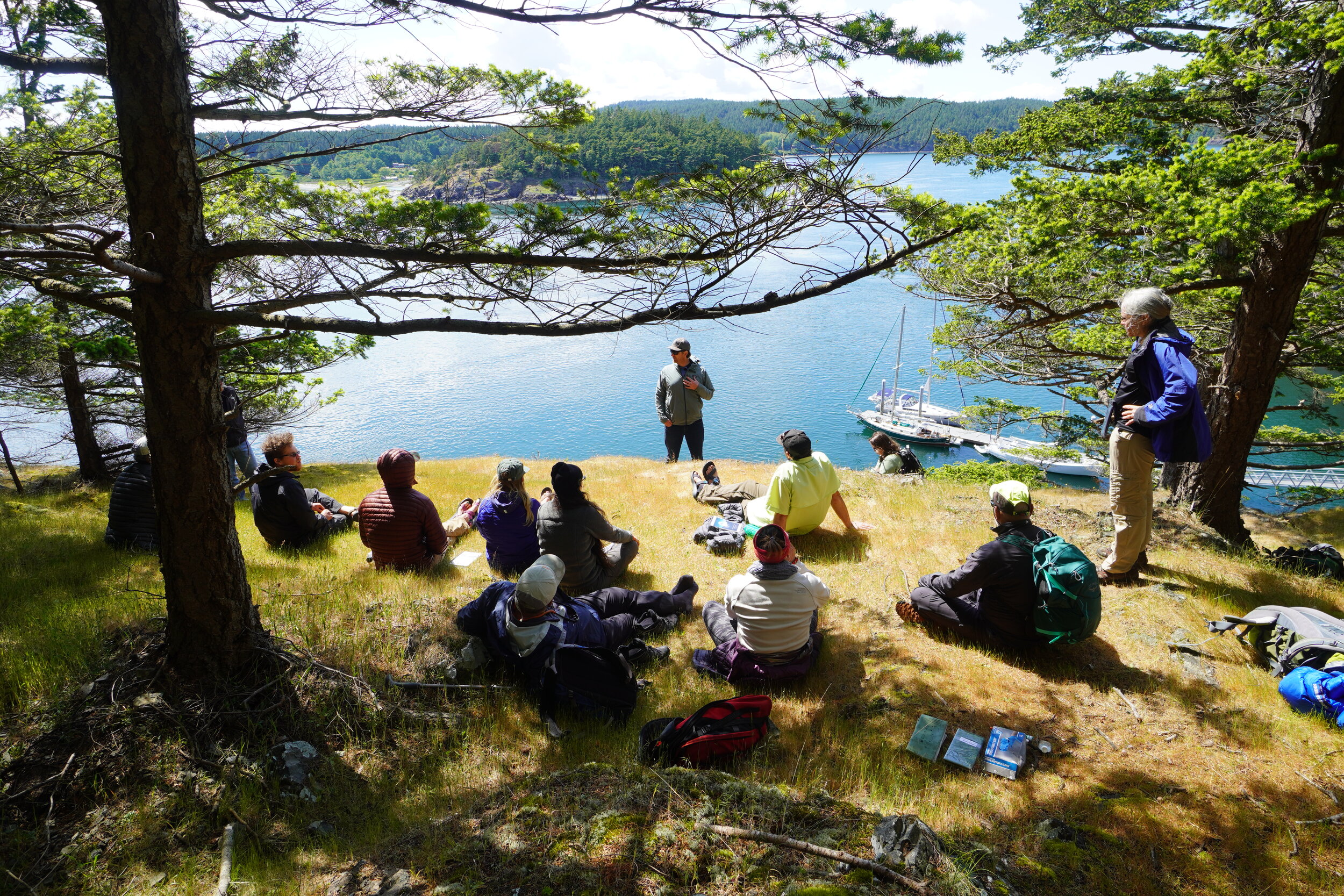
Our days will begin early, meeting at 7:15AM for breakfast. Then the class will spend the days hiking, practicing skills, and running scenarios both on land and on the boats. We will have a lunch break around noon and dinner will be served around 6:00PM.
Days 5-6
The group will break camp early, have breakfast, and set sail to relocate to a new island where the last nights will be spent. At the end of the last day the course will end by 4:00PM back at Squalicum Harbor.
*Note: the itinerary is fluid and is subject to change for safety and weather/ environmental factors including wind, rain/ snow, Air Quality Index, trail closures, traffic considerations, etc.
-
This is an active, expedition-based training program.
Participants should be comfortable hiking up to approximately 4 miles on steep and variable terrain. Daily mileage may range from 0–5 miles, depending on itinerary, weather, and training objectives.
While underway, participants will assist with basic sailing tasks as part of the crew experience.
Course activities may include:
Getting up and down from the ground
Kneeling and squatting
Moving around a vessel underway
Carrying or lifting moderate gear
The skills taught in this program are hands-on and physically interactive, designed to reflect real maritime and expedition environments.
If you have questions about fitness or accessibility, please contact Maritime Medical Guides — we are happy to discuss whether this course is a good fit for you.
-
This course runs rain or shine in a dynamic maritime environment. Participants should arrive prepared for changing weather, active movement, and time both underway and ashore.
Most camping is within 100-500 meters of landing onshore. Camping gear should fit is a backpacking backpack or duffel.
Camping Equipment
Tent
Sleeping bag
Sleeping pad
Camp Kitchen Items
Plate or bowl
Mug
Eating utensils
Clothing & Personal Equipment
Foul weather gear
Rain jacket
Warm, insulating layers
Long sleeves for sun protection
Sun hat and warm hat
Gloves
Sunglasses
Sunscreen
Footwear & Essentials
Deck and hiking footwear
“Landing footwear” i.e. something to exit dinghy in 6 inches of water on barnacle covered wet rocks
Water bottle
Course Materials
A course manual with lecture notes is provided at the beginning of the expedition and may be used for note-taking throughout the program. A series of quick guides and additional resources are also provided.
Additional Notes
Gear does not need to be technical or expensive — practical and comfortable is best.
Conditions in the Pacific Northwest can change quickly; layering is strongly recommended.
A detailed packing reminder will be sent prior to your expedition.
-
The San Juan Islands are truly unique in the maritime world. This gorgeous cluster of islands boasts some of the most well-protected public marine reserves and trails in the country. With an abundance of pristine moorings and anchorages, charming coastal towns, and rich history, the Salish Sea offers countless itineraries depending on the wind direction and tide profile.