MARITIME MEDICAL RESPONDER EXPEDITION SERIES
Expedition-based maritime medical training for cruisers, racers, and anyone hoping to spend meaningful time on the water.
Train for medical emergencies at sea. Learn underway. Build confidence that carries beyond the shoreline.
This is not the classic dockside classroom course.
Participants join a expedition voyage departing and returning to Bellingham — sailing through the Salish Sea while training in real maritime environments.
Sail by day. Train underway. Explore and camp ashore.
You will develop practical skills and sound judgment for situations where help is not immediate — and you will do it as part of a capable crew. An inspiring week that is open to all abilities from offshore racers, coastal cruisers, to novice boaters.
-
Visit our Upcoming Courses Calendar to view MMR dates for 2027.
-
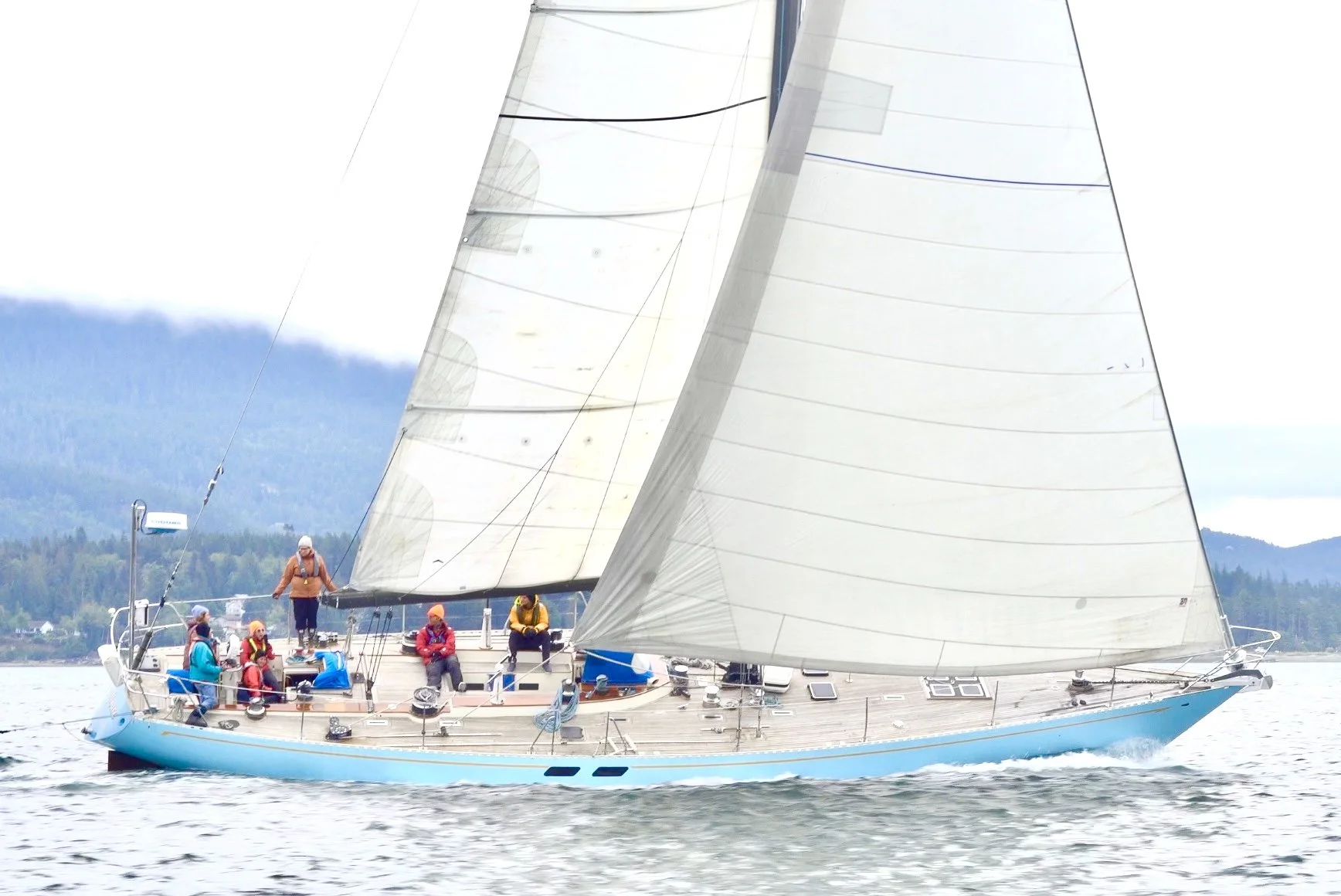
The Vessel: S/V Swiftsure
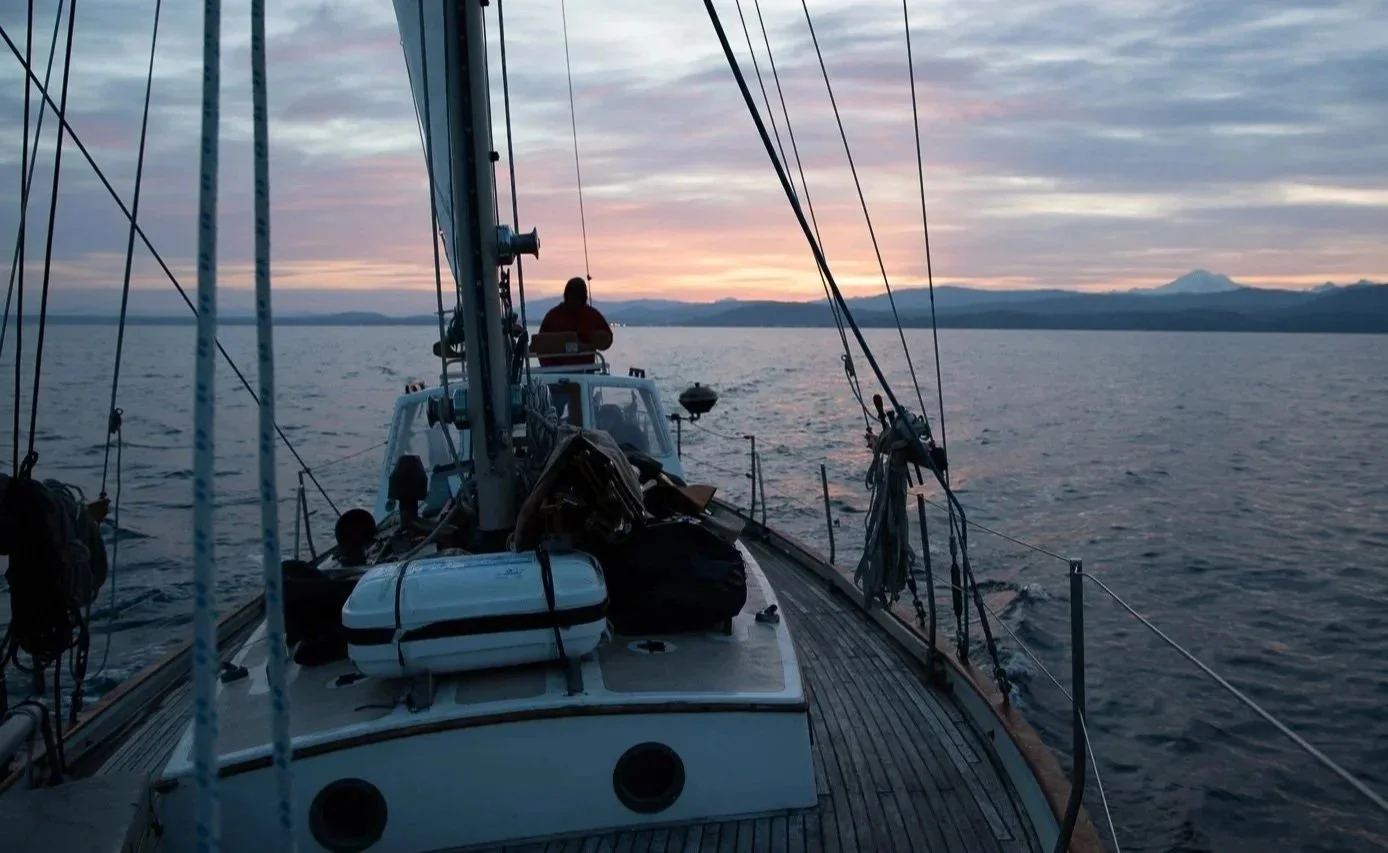
S/V Swiftsure is a 58’ Frers-designed sailing yacht with true ocean-racing pedigree and enduring character.
Built in aluminum by Carl Eichenbach and designed by German Frers, she represents an era when offshore boats were deliberately over-engineered — built strong, built fast, and built to come home. Her hull is powerful and purposeful, balancing performance with the steadiness required for extended coastal and open-water passages.
A wide beam and flush deck create exceptional working space for sail handling, instruction, and realistic scenario training. She is large enough to move confidently in open water, yet her systems and sail plan remain practical and transferable to smaller cruising vessels.
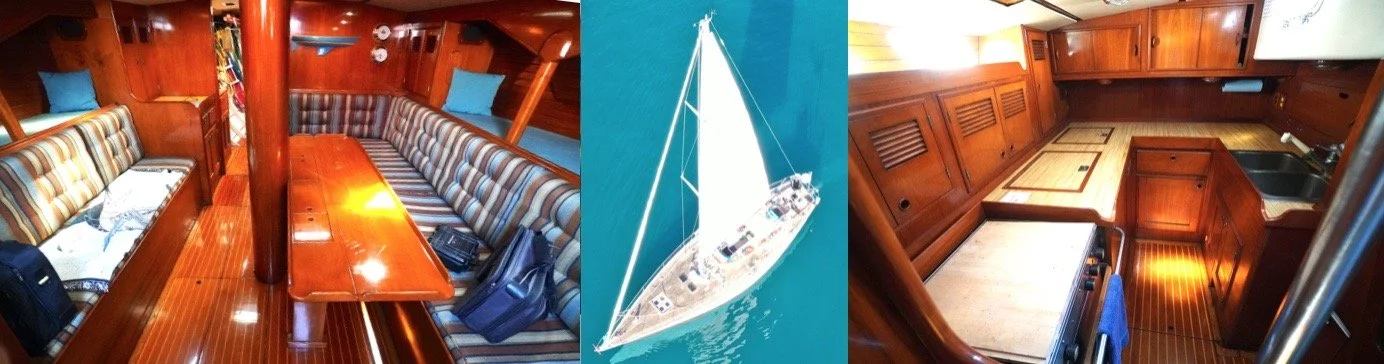
Below deck, Swiftsure is comfortable without excess. A generous galley includes a four-burner stove with oven, full refrigeration and freezer capacity, filtered water, and hot showers. Accommodations include seven single berths, two doubles, and two heads (manual and electric) with substantial holding capacity.
Warm teak joinery in the salon provides a welcoming space to review the day, share a meal, and prepare for the next passage.
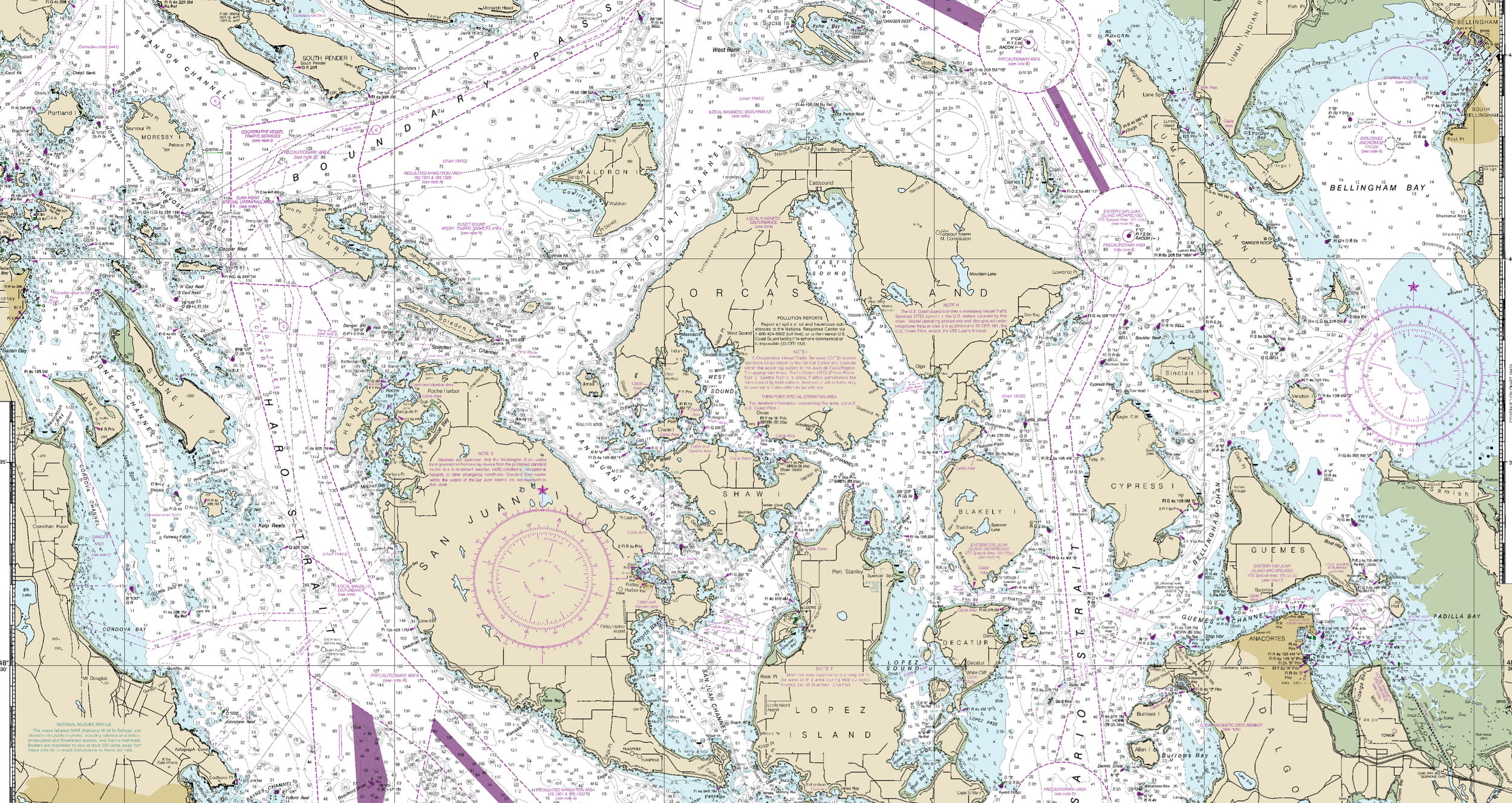
2026 Program Spotlight: Expedition San Juan Islands
This program embarks from Bellingham, WA on a multi-day tour of the San Juan Islands. Students sail to various islands throughout the region while practicing medical skills and decision making underway, at anchor, between shore (think dinghy), and onshore. Each night, students stretch out to camp on the islands with day hikes and shore excursions planned between delicious meals.
Your tuition includes:
Six-day skippered sailing expedition aboard S/V Swiftsure
All onboard and on-island meals
Instruction from emergency and maritime medical professionals
Scenario equipment and supplies
Wilderness First Responder certification
CPR / First Aid / AED/ Epinephrine Auto Injector certification
Accreditations meet or exceed:
World Sailing medical requirements
U.S. Sailing safety standards
U.S. Coast Guard recognition for STCW First Aid components
WA/CA Epinephrine Auto Injector certification
How This Is Different
Most medical training happens in controlled settings. Maritime emergencies do not. Our expedition-based training model integrates medical decision-making with real sailing conditions — where movement, weather, limited resources, and delayed outside support shape every choice.
Training extends beyond patient care to include:
Vessel operations and damage control awareness
Practical seamanship and risk management
Maritime communications and rescue coordination
Leadership and crew decision-making at sea
After this course, you will be able to:
Plan and prepare for coastal and offshore voyages
Prevent and manage onboards emergencies with limited resources
Lead your crew in medical crisis
Communicate effectively with rescue authorities, and telemedicine
Understand when to stabilize, when to divert, and when to call for evacuation
Frequently Asked Questions
-
No — sailing experience is not required.
Experienced sailors are welcome, and we’ll often involve you in more advanced sailing tactics and decision-making. If you’re brand new to sailing, that’s equally fine — you’ll participate at whatever level feels comfortable.
Many participants use this course as an opportunity to learn or improve skills such as:
Sail handling
Anchoring
Dinghy operations
Basic navigation
Troubleshooting onboard systems
All activities are supervised, and participation is always matched to your comfort level. Learning seamanship alongside medical training is one of the most enjoyable parts of the program.
-
Yes — this program is part of the Maritime Medical Responder Expedition Series.
While a voyage through the San Juan Islands may not be a high-latitude or polar expedition, it is planned and operated using an expedition mindset. Participants train through multiple realistic scenarios throughout the week, creating the feel of a true expedition environment.
Future programs to British Columbia and Alaska will have an even stronger expedition character, while the San Juans offers an exceptional and accessible introduction to the experience.
-
Food is included in the cost of the course and is provisioned in advance.
We collect dietary preferences and allergy information prior to the program and do our best to accommodate individual needs. If certain requests cannot be fully accommodated, we will communicate directly to discuss options.
Participants help with:
Cooking
Meal prep
Cleanup
Meals are a shared part of expedition life. Breakfast and coffee are typically prepared at camp, many meals are made aboard the boat, and lunches are often packed for travel days or afternoon hikes.
-
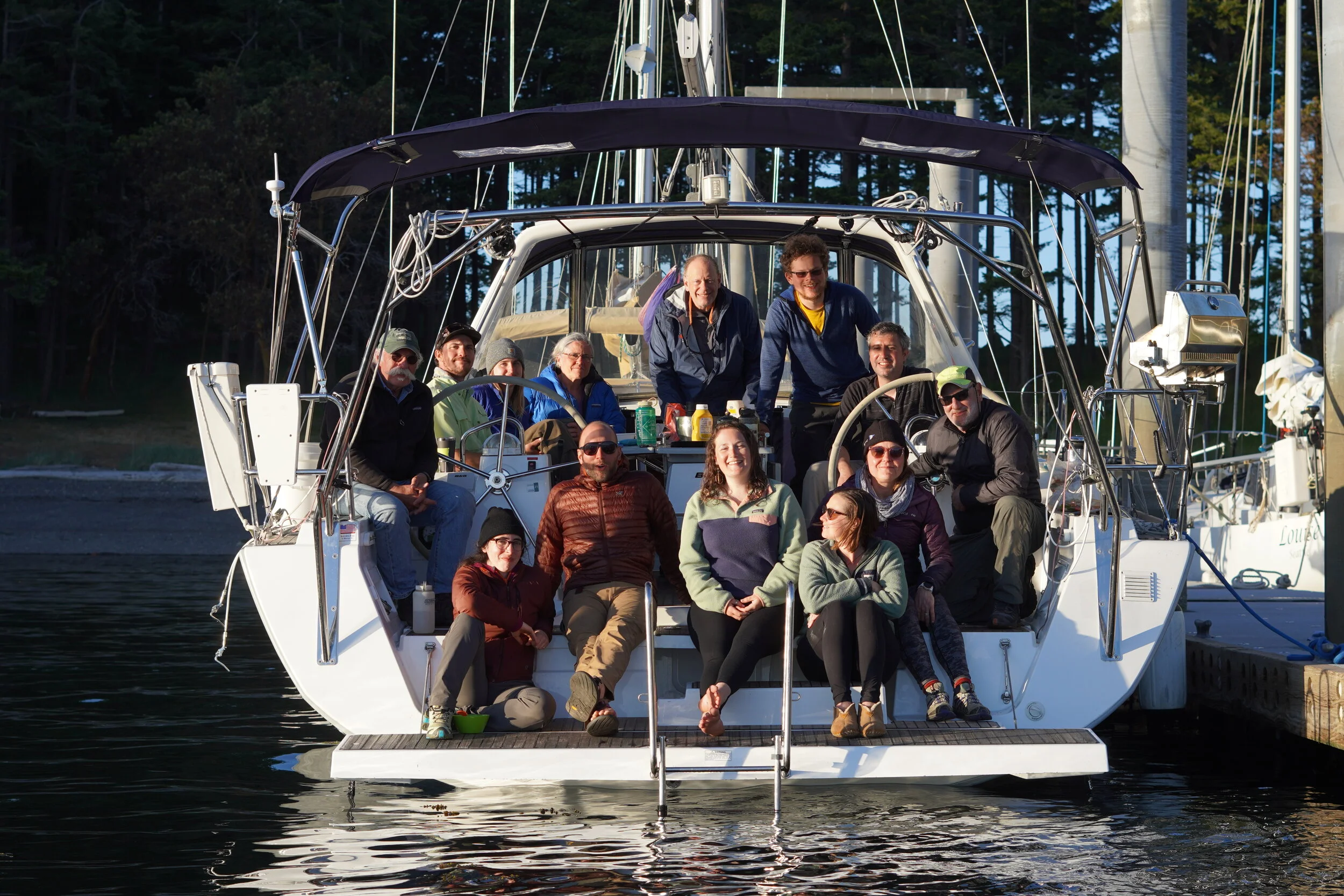
Camping takes place in state park campgrounds throughout the San Juan Islands, often close to the water with beautiful views and easy access to trails and beaches.
Expect:
Scenic island campsites
Outdoor classroom environments
Opportunities for hiking and beach exploration
Day shelters available if weather turns wet
Wildlife note: raccoons are common on many islands. Food should be stored in provided raccoon-resistant containers and never kept inside tents.
Camping is an integral part of the expedition experience and helps create space, autonomy, and connection to the environment.
-
Unfortunately, no.
When anyone is staying aboard, regulations require a 24-hour watch to be maintained. For this reason, overnight stays before or after the course are not permitted.
We partner with several nearby hotels and will provide links to discounted accommodations close to the harbor.
-
For overnight itineraries in the San Juans, participants camp ashore rather than sleeping onboard.
This allows for safer operations and avoids the need for continuous onboard fire and safety watch. In rare emergency or special circumstances, exceptions may be made and a safety watch would be assigned.
-
Yes.
This program meets accreditation standards through the Wilderness Medical Education Collaborative (WMEC). Participants may complete initial Wilderness First Responder (WFR) certification or recertify as a WFR through this course.
Want to take the first step into maritime medicine?
Begin learning today with our Maritime Medicine Online curriculum, which provides full access to the lecture videos assigned in preparation for all of our programs. This is a great place to start or refresh your skills, as the online program gives you 24/7 access to our instructional video series and resources that can help you stay safe on the water. Additionally, you can apply the cost of this course as a credit toward any of our in-person programs.
Train for medical emergencies at sea. Learn underway. Build confidence that carries beyond the shoreline.
This is not the classic dockside classroom course.
Participants join a expedition voyage departing and returning to Bellingham — sailing through the Salish Sea while training in real maritime environments.
You will develop practical skills and sound judgment for situations where help is not immediate — and you will do it as part of a capable crew. An inspiring week that is open to all abilities from offshore racers, coastal cruisers, to novice boaters.